The Rise of Bubble Tea in Western Cafés: What It Means for Traditional Tea Shops
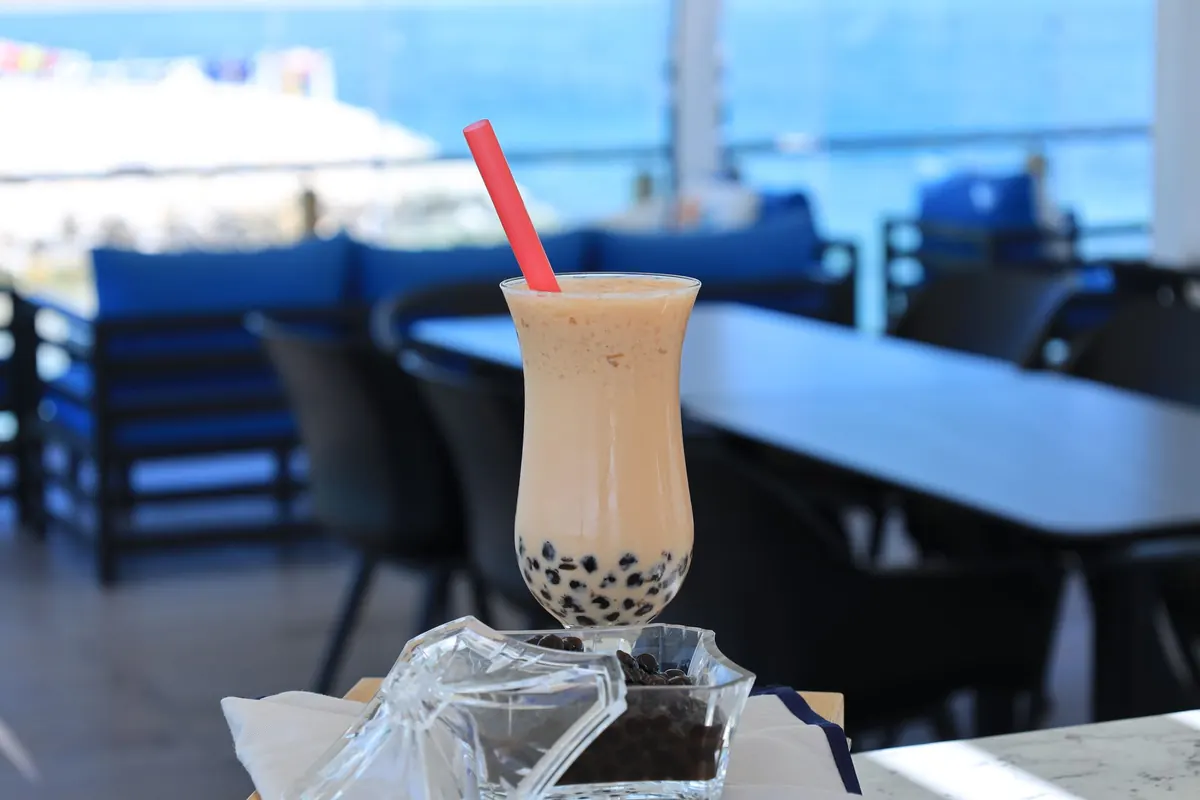
Walk into a café that a decade ago sold nothing but espresso, drip coffee and a tray of pastries, and you might now find a row of sealed cups, a tub of tapioca pearls and a wide straw resting on the counter. Bubble tea, once confined to Taiwanese and Chinese neighbourhoods, mall food courts and streets near universities, has become a standard line on Western café menus. In some places it is a seasonal experiment. In others it quietly outsells the afternoon coffee. For anyone who cares about tea, that shift is worth a closer look.
Why Cafés Said Yes
Cafés are, in practice, cold-drink factories that happen to sell coffee. They already own the ice machine, the blender, the syrups, the sealed cups, the loyalty app and the queue system. Adding bubble tea means adding two ingredients and one prep ritual, not building a second business.
The drink also fills a dead hour. Espresso sales peak before noon and sag by mid-afternoon; a cold, sweet, chewy drink appeals to students, teenagers and anyone who wants a snack and a drink in the same cup. It travels well, photographs well, and can be assembled in under a minute once the pearls are cooked. Customisation does the rest. Sweetness levels, ice levels, milk or no milk, extra pearls: the format invites customers to order rather than simply request. And the base teas involved, usually black or jasmine green, cost little relative to what a finished cup sells for.
Two Tea Cultures, Two Sets of Skills
Bubble tea grew out of Taiwanese tea drinking, but it grew in a different direction. A traditional tea shop builds its menu around the leaf: where it was grown, how it was processed, how hot the water should be, how many seconds the second infusion deserves. Bubble tea treats tea as a base for milk, sugar, fruit and texture. Neither approach is wrong. They reward different things.
The practical consequence is that the skills do not transfer automatically. A barista who can pull a flawless shot may have no idea how quickly a jasmine green turns bitter, that milk powder and fresh milk produce very different textures, or that cooked pearls have a working life measured in hours rather than days.
There is another difference worth naming. Traditional tea asks for attention; bubble tea asks for pleasure. A gongfu session can last an hour. A milk tea is gone in ten minutes. Both belong on a good menu, but they pull a shop in different directions.
What Traditional Tea Shops Are Feeling
Be honest about the pressure. The customer who wants something cold and sweet at four in the afternoon was never going to order a tasting flight, and if a bubble tea counter opens two doors down, the tea shop loses a sale it was unlikely to make anyway. The harder loss is attention: the queue is now next door, and the window display looks quieter than it used to.
But bubble tea has also done tea shops a favour. It has taught a generation to talk about tea, to have a favourite, to order by name and to care what is in the cup. That curiosity can be redirected. The realistic options, with their trade-offs:
- Add a bubble tea line. The fastest route to new customers, but you need a blender, a pearl supply with a short shelf life, staff trained to cook in small batches, and a menu that does not overshadow your leaf tea. Done carelessly, it reads as a shop chasing a trend.
- Partner with a bubble tea maker. Host a weekend pop-up or stock a guest drink from a local operator. You get the traffic, they get the space. Agree in advance on equipment, waste and staffing.
- Stay leaf-first and deepen the experience. Tastings, brewing workshops, cold-brew bottles, a well-explained iced oolong. Slower to build, but it strengthens the thing that makes you different from the shop two doors down.
- Sell the components. Loose leaf, cold-brew concentrates, a starter kit with a simple brewer. People who enjoy making drinks at home still buy from the shop that taught them how.
None of these is universally right. A shop with a loyal regular base and a serious leaf programme should think twice before it starts boiling tapioca. A shop in a student district may find the opposite.
Where the Two Can Meet
If you run a café
Treat the tea as an ingredient, not a formality. Brew fresh leaf and chill it instead of leaning on powder, cook pearls in small batches and write the times down, and set your default sweetness lower than you think. Customers can always ask for more. A milk tea made with decent tea and pearls cooked that morning tastes so much better than the alternative that regulars will notice within a week.
If you run a tea shop
Borrow the format without abandoning the leaf. Put one or two drinks on the menu that speak the language these customers already know, then let the tea do the rest. A cold-brewed oolong with a splash of milk, or a lightly sweetened iced black tea with a pearl option, is a low-risk bridge. Add a line on the menu explaining which tea is in the base and why you chose it. That small piece of education is the difference between a tea shop with a bubble tea and a bubble tea shop.
How to Read a Bubble Tea Menu
If you are the one drinking it, a few questions separate a serious operation from one following the crowd:
- Ask when the pearls were cooked. Good shops cook in small batches through the day.
- Check the texture. Fresh pearls are firm and slightly springy. Dense, gluey or hard-centred ones have been sitting.
- Ask what tea is in the base. "Black tea" is an answer. "We use a roasted oolong" is a better one.
- Look at the sweetness options. A shop offering 0, 50 and 100 per cent is used to customers who taste what they drink.
- Notice whether the tea comes through. If milk and syrup are the only flavours you can find, order something else next time.
One practical note: these drinks are often sweet, and many carry a lot of sugar. If you are watching your intake, ask for less syrup or none. The tea is easier to taste that way in any case.
A Practical Place to Start
If you run a tea shop and the bubble tea crowd is tempting, start small and give it a season.
- Choose one drink you can make well, built on a tea you already sell.
- Source pearls in a size you can cook in small batches, and check the shelf life before ordering a case.
- Train one person to own the process, including cook times and discard times.
- Price the drink on its own terms. If it is cheap, it reads as a lesser cousin of your leaf tea and teaches customers to see it that way.
- Tell your regulars why you added it, and keep the leaf tea at the front of the conversation.
Then watch what actually sells and be willing to drop what does not. The shops that handle this well are the ones that know which business they are in. Bubble tea can bring people through the door. What keeps them there is a cup that tastes as though someone cared about the tea inside it.
Photo: Shameel mukkath / Pexels