A Local's Guide to Taipei's Traditional Tea Houses
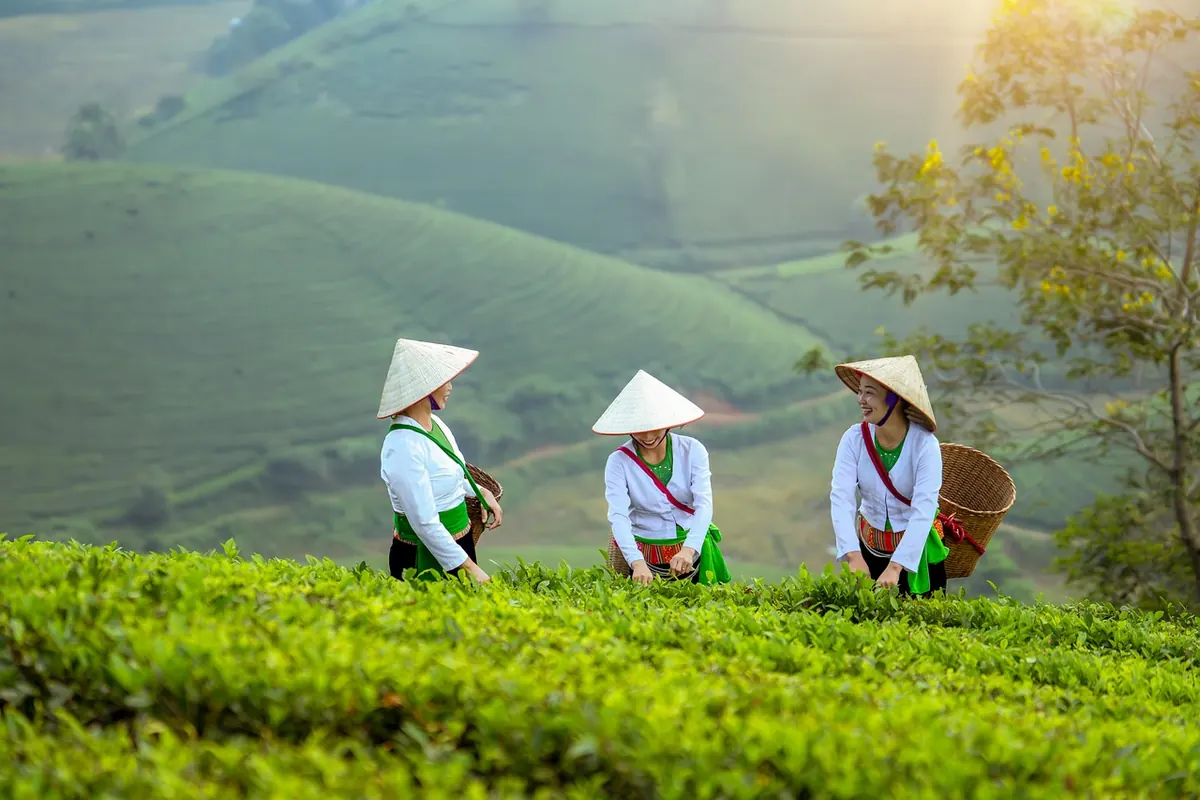
Taipei runs on tea. Not the paper-cup kind you grab on the way to an MRT station, but the slow kind: a small clay pot, a kettle that gets refilled until the water runs pale, and a table you are quietly expected to sit at for a couple of hours. Walk through the right door and the traffic on the street behind you stops mattering.
What follows is what you need to know before you go: where the traditional houses cluster, how to order without staring blankly at a menu, and the handful of courtesies that make a visit smooth rather than awkward.
What Makes a Taipei Tea House Different
A café sells you a drink and hopes you leave. A traditional tea house sells you an afternoon. The tea usually arrives as loose leaf, a pot, a tray, and a thermos or kettle of hot water, and from there the pace is yours. You brew at the table, pour for whoever you came with, and let the conversation stretch.
Many of these rooms are old in a lived-in way: wooden floors, tatami mats, calligraphy on the wall, a courtyard with a few plants. Some are converted family homes. Others have been serving tea in the same spot for decades and look it. Nobody will hurry you, and nobody will hover. That quiet is the product.
Where to Go: Three Areas to Start
Maokong
Hillside tea houses above the city, reached by the gondola from the Taipei Zoo or by taxi. The views over the basin are the draw, especially in late afternoon when the light goes gold. This area has a long history of tea growing, and the local specialty is a roasted oolong. Come on a weekday if you can; weekends mean queues for the gondola and full terraces.
Dadaocheng
The old trading district along Dihua Street. This is where you go if you want to buy leaf tea as well as drink it. Shops here have been selling tea for generations, and many will sit you down to taste before you commit to a bag. Ask what's fresh, ask how they brew it at home, and take notes on your phone. The shop staff are usually generous with information.
Da'an and Yongkang Street
The most convenient option if you are staying downtown. The lanes around Yongkang Street are packed with small restaurants, and tucked among them are tea houses ranging from modern and minimal to genuinely historic. One of the best known is a wooden house that has been a gathering place for writers, artists, and students for decades. It is worth booking ahead on weekends.
How to Order Without Panicking
Most menus are organized by tea type, and the categories are more useful than individual names. Learn these four and you can order anywhere:
- Lightly oxidized oolong — floral, green, delicate. Think high-mountain teas and bao zhong.
- Roasted oolong — deeper, toasty, nutty. Dong ding and tieguanyin live here.
- Black tea — malty and forgiving. Taiwanese black teas are excellent and often overlooked.
- Aged or fermented tea — earthy and smooth, sometimes served with a story attached.
Tea is usually priced by the pot, and one pot comfortably serves two to four people through many refills. Many houses also set a minimum charge per person, which the pot often covers. If the menu confuses you, say so plainly: staff are generally happy to point you toward something suited to your taste and the hour. If you would rather not brew, ask whether they will brew for you — some do, some don't.
Order one small snack to share. Roasted seeds, dried fruit, or a plate of mochi give everyone something to do with their hands between steeps.
Etiquette That Actually Matters
You will not be scolded for getting something wrong. But these small gestures are noticed, and they make you a better guest.
- When someone pours for you, tap two fingers on the table. It is a quiet thank-you that doesn't interrupt the pour.
- Pour for others before yourself, and keep the last of the pot for your own cup.
- Fill cups about two-thirds. Small cups are meant to be drunk in two or three sips.
- If a tall narrow cup comes with your set, that is the aroma cup. Pour the tea into it, decant into the small drinking cup, then smell the empty tall cup.
- Slurping is fine — it aerates the tea and cools it.
- When you want more hot water, leave the pot lid propped open or resting to the side. Staff read that as a signal.
- Keep your voice down. Wooden rooms carry sound further than you think.
- Ask before bringing in outside food. Some places allow it, some don't.
The Brewing Rhythm at the Table
Oolong and black teas want water just off the boil; greener teas do better with a short rest after the kettle stops. Pour the first steep quickly — ten or fifteen seconds is plenty — then add a few seconds to each round as the leaves open. Taste before you pour the next one and adjust. The tea will tell you what it needs.
Empty the pot completely between steeps so the leaves aren't sitting in water, and don't top up a half-full pot and walk away. If the tea starts tasting thin or bitter, that usually means more leaf or less time, not a bad batch.
Practical Notes Before You Go
Bring cash. Plenty of traditional houses still don't take cards, and the nearest ATM may be a ten-minute walk. Reserve on weekends and holidays, especially for courtyard or window seating. Some houses apply a time limit on busy days; ask when you sit down so it isn't a surprise.
Wear socks. Floor seating and tatami are common, and you may be asked to leave your shoes at the door. Tipping isn't expected. If you're sensitive to caffeine, ask for a lighter, less oxidized tea and plan your last pot for the afternoon rather than after dinner.
Finally, don't treat the visit as a photo stop. Order something you're curious about, put your phone face down, and let the pot run out a few times. That's the whole point of the place, and it's the part visitors remember.
Photo: MrBinZ / Pixabay