A Seasonal Guide to Winter Teas: Warming Blends and Brewing Tips

Winter narrows the tea shelf. The delicate greens and first-flush Darjeelings that taste so bright in June can feel thin when the windows are fogged and the kettle is working overtime. Cold weather calls for teas with body — malt, toast, stone fruit, spice — and for a few small brewing adjustments that keep the second cup as good as the first. Here is what to reach for, how to brew it, and how to build a winter tea habit that fits around real evenings.
Start With Teas That Can Carry Weight
Think about what you want from a winter cup: warmth that lasts, flavour that survives a splash of milk, and enough aroma to fill a room. These families do that reliably.
- Assam and Irish breakfast blends. Malty, brisk and forgiving. They take milk and a long steep without turning bitter, which makes them ideal for the first cup of a dark morning.
- Keemun and Ceylon. Slightly lighter than Assam but still structured — cocoa and dried fruit in Keemun, citrus snap in a good Ceylon.
- Roasted oolongs. Wuyi rock oolongs such as Shui Xian or Da Hong Pao bring toasted grain, mineral depth and a sweetness that lingers. Roasted Tie Guan Yin is a gentler entry point.
- Shou pu-erh and other dark teas. Earthy, thick and almost broth-like. Excellent after a heavy meal, and they re-steep many times.
- Hojicha and genmaicha. Japanese roasted teas with low bitterness, so they work late in the day when you want the ritual without much caffeine.
- Chai, ginger and rooibos. The spiced and herbal end of the shelf, useful for evenings and for anyone avoiding caffeine.
Three Blends Worth Making at Home
Bagged spiced tea is convenient, but the homemade version takes about ten minutes and tastes considerably fresher. Keep the ratios loose and adjust to your own palate.
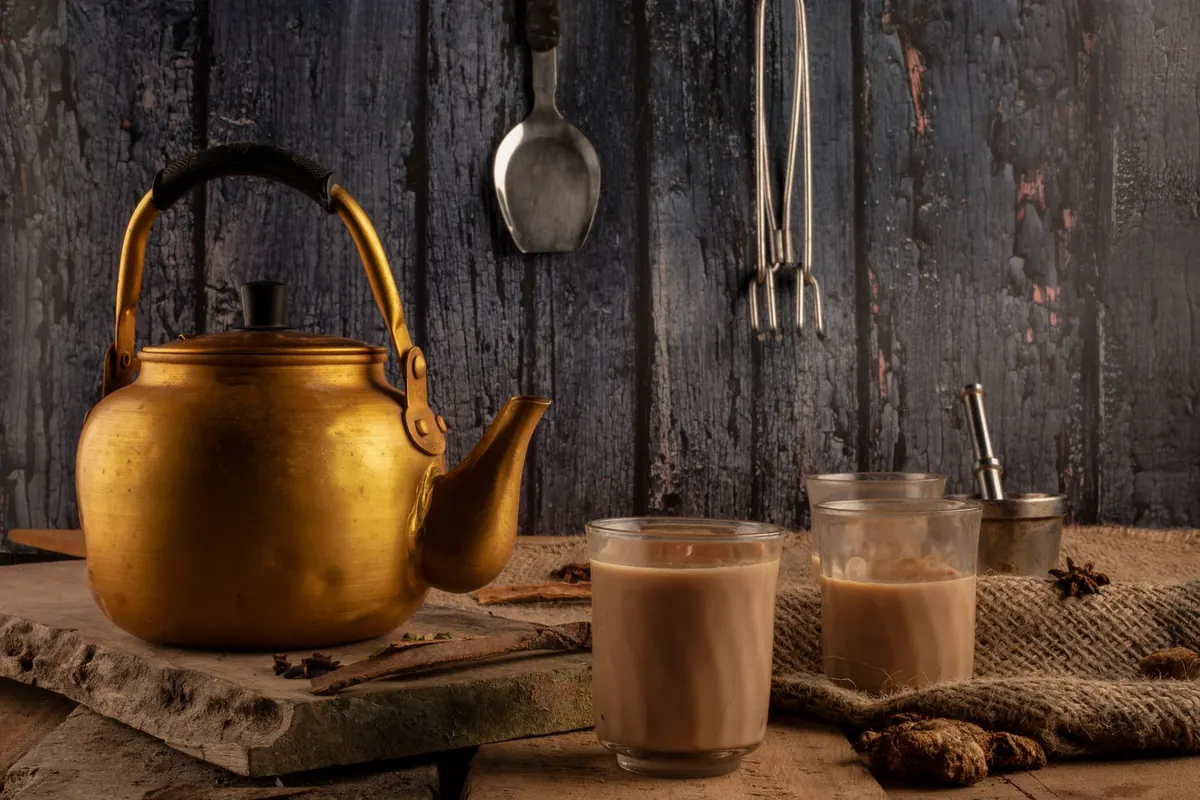
Masala chai, simmered rather than steeped
- Add one cup of water to a small pan with two teaspoons of loose Assam, three crushed green cardamom pods, a short cinnamon stick, two cloves and a few slices of fresh ginger.
- Bring to a gentle boil, then lower the heat and simmer for three to five minutes until the liquid darkens and smells strongly of spice.
- Pour in one cup of whole milk and heat until steaming, but do not let it boil over.
- Simmer two more minutes, then strain. Sweeten with sugar or honey while hot.
Citrus and clove black tea
Steep a strong pot of Ceylon or English breakfast, then add a wide strip of orange peel and one clove per cup while it brews. Remove the peel after five minutes or it turns sharp. A spoonful of marmalade stirred in works surprisingly well when you have no oranges.
Ginger and lemongrass tisane
Simmer a thumb of sliced ginger and two bruised lemongrass stalks in water for ten minutes. Strain and add honey once the liquid has cooled slightly. Caffeine-free and sharp enough to cut through a rich dinner.
Adjust Your Brewing for Cold Months
The tea that disappoints in January is often the same leaf that pleased you in September — only the method has changed. Water cools faster in a chilly kitchen, and a lukewarm steep pulls sweetness slowly and bitterness unpredictably.
Preheat everything
Fill your pot or mug with hot tap water while the kettle boils, then empty it before adding leaves. A cold ceramic pot can drop the brewing temperature by ten degrees or more in the first minute.
Use hotter water, but not for everything
Black teas, pu-erh and roasted oolongs want water just off a rolling boil. Delicate greens and white teas still prefer cooler water around 70–80°C, even in winter. If you have no thermometer, let the kettle sit for two or three minutes after switching off.
Shorten and repeat
Instead of one long five-minute steep, try several short ones. Use a little more leaf than usual — roughly one and a half grams per 100 millilitres of water — steep for fifteen to thirty seconds, then pour. Each round stays hot in the cup and the flavour develops rather than flattening.
Insulate, don't reheat
A teapot cozy, a thick-walled mug or a thermos keeps tea at drinking temperature far better than a microwave, which dulls aromatics. For a long walk, preheat a thermos with boiling water, empty it, then fill with freshly brewed tea and seal immediately.
Small Rituals That Make It Stick
Winter tea works best when it is attached to something you already do. Brew a pot while dinner simmers and drink it as the cooking finishes. Keep a small tray with a gaiwan or easy gongfu setup beside your desk and take five short infusions instead of a coffee break. Make a thermos before an evening walk and drink it on the way home, standing still for a minute at the door.
Evenings suit the lower-caffeine options: hojicha, roasted oolong brewed light, rooibos with cinnamon, or a mild shou pu-erh. If you are sensitive to caffeine, keep the strong Assams before noon. Anyone taking regular medication should check with a pharmacist or doctor before drinking large amounts of herbal infusions, particularly licorice root, which can interact with some prescriptions.
Four Habits to Avoid
- Leaving leaves sitting in the pot "to keep it warm" — the last cup will be stewed and harsh.
- Boiling water straight onto green or white tea out of habit, which flattens the aroma.
- Storing tea near spices or coffee. Tea absorbs odours quickly, so keep it in a sealed tin away from the stove.
- Assuming a sweet, milky cup is a lesser one. If you enjoy it, that is the correct way to drink it.
Stocking the Winter Shelf
A short, useful set: one malty black for mornings, one roasted oolong for afternoons, a dark tea for heavy meals, a caffeine-free option for evenings, and whole spices — cardamom, cinnamon, cloves, ginger — for blending. Buy tea in small quantities through the cold months rather than in bulk; freshness matters more than a full cupboard.
A Cup for the Season
Winter tea is less about finding a single perfect blend and more about matching the cup to the hour. Start the day with something strong enough to stand beside a grey window, switch to a roasted oolong when the afternoon slows, and finish with a spice-heavy, caffeine-free pot you can hold in both hands. Preheat the pot, pour sooner than you think you should, and drink it while it is hot.
Photo: Monikas_Wunderwelt / Pixabay