Assam vs. Ceylon: A Beginner's Guide to Choosing Your Daily Black Tea
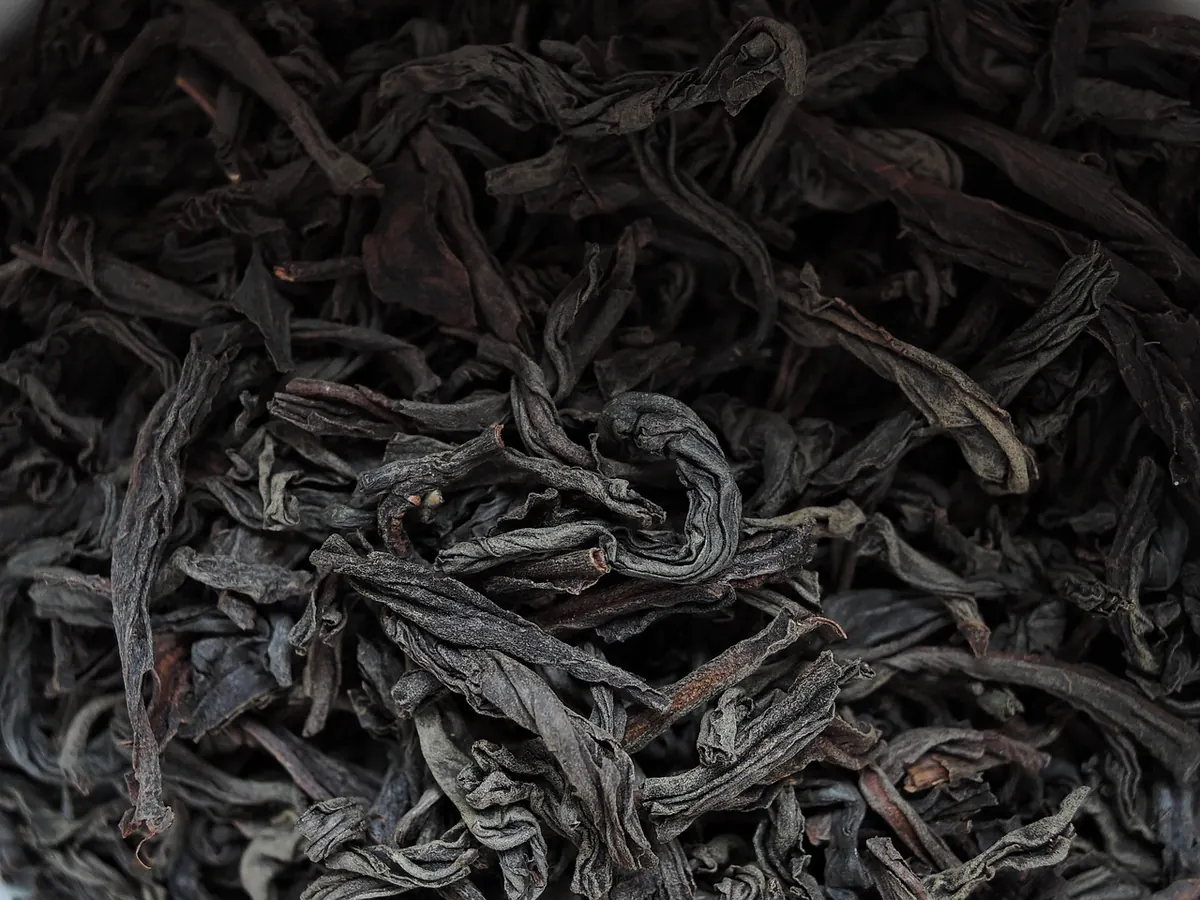
Two black teas, both inexpensive, both on every supermarket shelf, and yet a cup of Assam and a cup of Ceylon have almost nothing in common once you taste them side by side.
One is malty, heavy, and built to carry milk. The other is bright, brisk, and happiest with a slice of lemon. Buying the wrong one for your habits is the most common reason a perfectly decent tea ends up forgotten at the back of the cupboard.
Here is what actually separates them, and how to work out which one belongs in your mug tomorrow morning.
Two Origins, Two Characters
Assam and Ceylon are place names, not styles. That distinction does most of the explaining.
Assam
Assam is a state in northeast India, where tea grows in the low, humid Brahmaputra valley. Warm, steamy, and close to sea level, the region produces leaves that brew up dark and full. The signature note is malt: somewhere between toasted bread crust, dark caramel, and a whisper of honey. Second flush teas, picked in summer, show golden tips and more layers. The everyday CTC leaf in most teabags is simpler and stronger, which is exactly what you want under a splash of milk.
Ceylon
Ceylon is the older name for Sri Lankan tea, and it is not one flavor. High-grown teas from Nuwara Eliya, Dimbula, and Uva come from cool mountain estates and brew lighter and sharper — citrus peel, a clean briskness, sometimes something faintly floral. Low-grown teas from the southern lowlands are darker and rounder, and they hold up to milk without falling apart.
Most supermarket English Breakfast is a blend of Assam, Ceylon, and Kenyan leaf. That tells you something useful: the two get along well in a pot.
Flavor and Body, Side by Side
Put the cups next to each other and the difference lands within one sip.
- Assam: full body, low acidity, coppery-red liquor, long malty finish. It coats the mouth rather than cleaning it.
- High-grown Ceylon: medium body, bright and brisk, lighter amber, citrusy finish that fades quickly.
- Low-grown Ceylon: fuller and darker, closer to a mild Assam but with less malt and more bite.
A practical test: if you sip your tea and immediately want a biscuit to soften it, that is usually Ceylon's astringency talking. If you want the tea to stand up to the biscuit, that is Assam.
How to Brew Each One
Black tea is forgiving, but these two do not want identical treatment. Start with 2 grams of leaf — roughly a rounded teaspoon of loose tea or one teabag — per 200 ml of water.
- Fill the kettle with fresh water. Reboiling water that has already been boiled flattens the cup.
- Warm your mug or pot with a splash of hot water, then tip it out.
- Add the leaf, then pour the water over it. Both teas want it hot, around 95 to 100°C, which is what you get by letting the kettle rest for a moment after it switches off.
- Taste at three minutes. Remove the leaf when it suits you.
- Skip the squeeze. Pressing a teabag against the side of the mug releases the bitter compounds you spent the last four minutes avoiding.
Assam specifics
Four to five minutes, and don't be shy with the leaf. Assam is difficult to ruin; it mostly just gets stronger and darker. If your cup tastes thin, add more tea rather than more time.
Ceylon specifics
Three to four minutes. High-grown Ceylon turns sharp and drying if you push it further, so err on the shorter side and adjust upward next time.
Milk, Sugar, and Lemon
This is where most people discover they have bought the wrong tea.
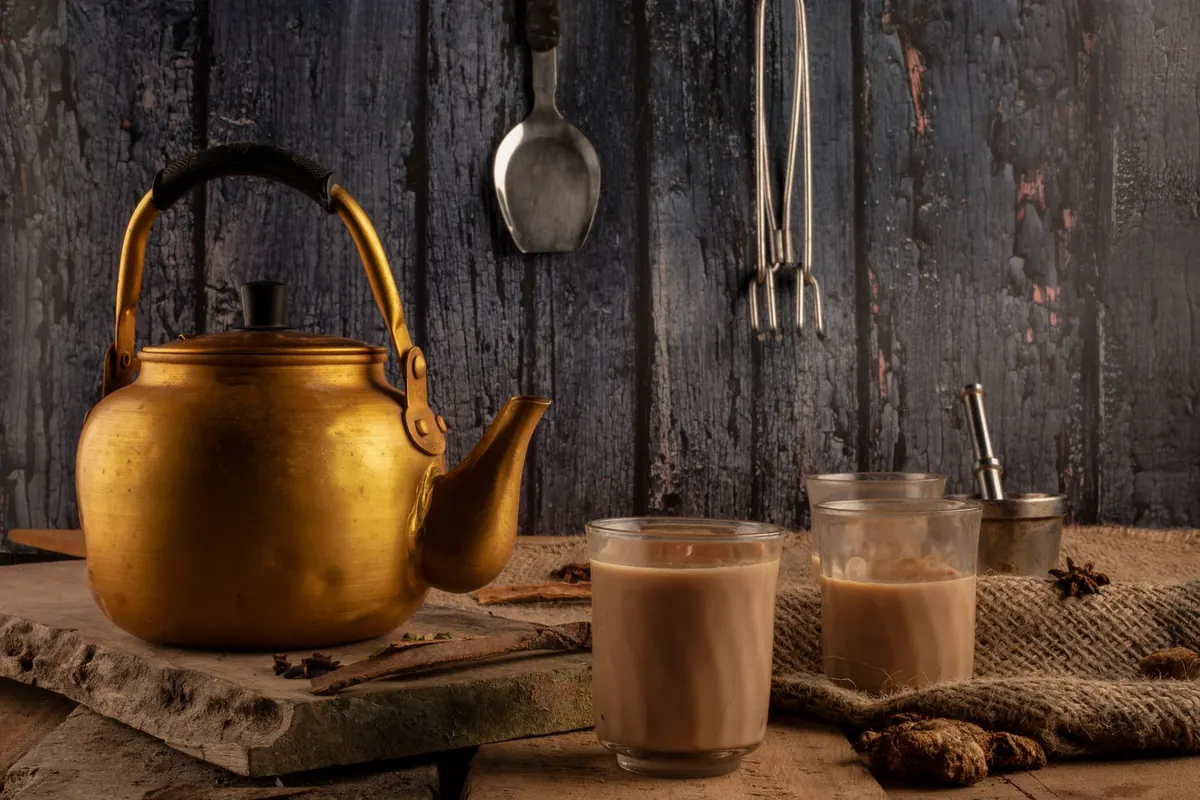
Assam is the milk tea. Its malt and body survive dairy, and the cup turns creamy and rounded. Oat and soy milk work too, though they mute the malt a little.
High-grown Ceylon with milk goes thin and slightly sour-tasting. Keep it black, or choose a low-grown Ceylon if milk is non-negotiable.
Lemon is the opposite story. Ceylon, especially the high-grown sort, is the natural partner — the citrus in the tea meets the citrus in the fruit. Assam plus lemon tends to clash, the malt turning muddy against the acidity.
Sugar is fine in either, though it hides exactly what makes a good Ceylon worth drinking.
What to Eat Alongside
With Assam
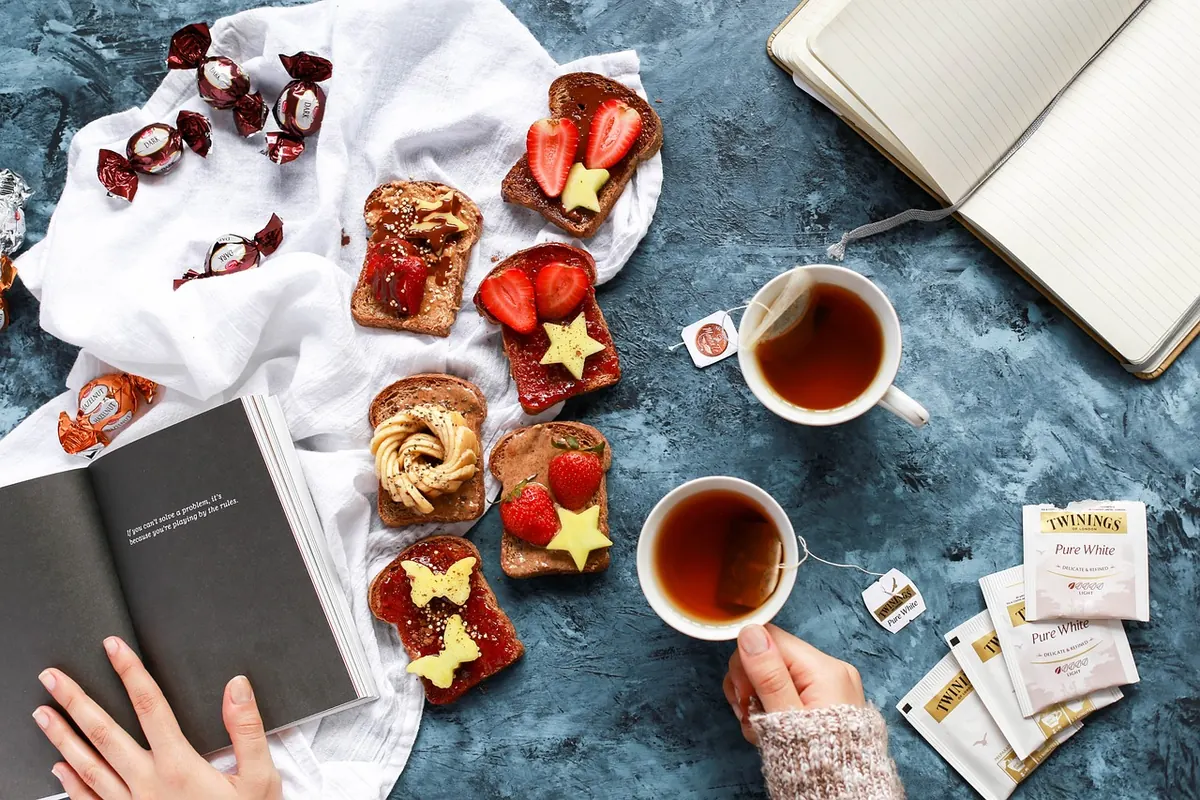
- Toast with butter and jam, eggs any style
- Shortbread, digestive biscuits, milk chocolate
- Spiced food — it is the base of most masala chai for good reason
- Cheddar, smoked fish, a ploughman's plate
With Ceylon
- Lemon cake, fruit tarts, madeleines
- Scones with jam
- Cucumber or smoked salmon sandwiches
- Dark chocolate, or anything with bergamot and orange
If your tea comes with breakfast, lean Assam. If it arrives mid-afternoon with something lighter, lean Ceylon.
Buying: Grades, Bags, and Blends
You do not need to memorize grade letters, but a few markers help you guess what is in the packet.
- BOP (broken orange pekoe) means smaller pieces that brew fast and strong. Common in teabags, and good with milk.
- FTGFOP and similar long strings of letters mean whole, unbroken leaf — slower to brew, more nuance, best drunk without milk.
- Single-estate Ceylon, with Nuwara Eliya, Uva, or Dimbula on the label, tells you roughly how light or dark the cup will be.
- Breakfast blends are usually Assam-heavy with Ceylon and Kenyan leaf for brightness. A reliable shortcut if you want both.
Store either tea in an airtight tin, away from light and away from your spice drawer. Black tea keeps well for months, but the malt and citrus fade long before the tea goes stale enough to notice.
Choosing Your Daily Cup
The only test that matters is which one you reach for when you make a second cup. Buy a small amount of each — 100 grams of loose leaf is plenty — and brew them side by side on a quiet morning. No milk, no sugar, just the two cups and your own reaction.
A few rules of thumb to start with:
- You take milk, drink tea with breakfast, and want something sturdy: Assam.
- You drink it black, like lemon, and often pair it with lighter food: Ceylon.
- You genuinely cannot decide: a breakfast blend is already the compromise, and a good one is better than a mediocre version of either.
Start with less leaf than you think you need, taste early, and adjust. Then make the second cup the one you actually wanted.
Photo: AnnTS / Pixabay