Cold Brew Tea at Home: A No-Fuss Method for Smooth, Sweet Iced Tea
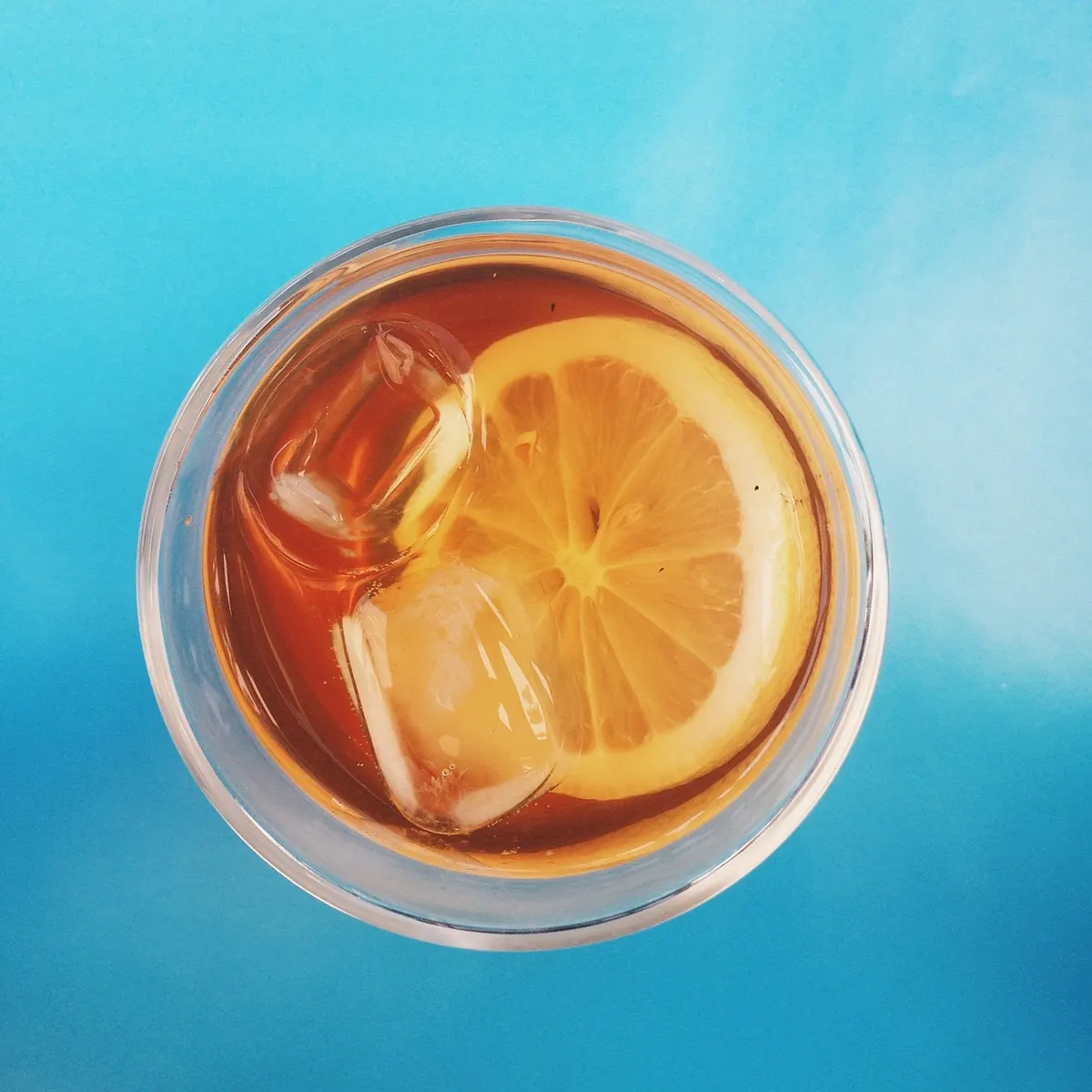
Hot water is fast, and it forgives almost nothing. Thirty seconds too long and a green tea turns bitter and grippy. Cold water is the opposite: slow, patient, and remarkably hard to ruin. Fill a jar with leaves and water before bed, put it in the fridge, and by morning you have iced tea that tastes sweet without sugar, smooth without milk, and clear enough to show off the tea instead of the tannins.
Why cold water makes a smoother cup
Bitterness and astringency leave the leaf quickly when the water is hot. The compounds behind that drying, grippy sensation dissolve fast at near-boiling temperatures, which is why a forgotten steep goes harsh in seconds. Drop the water to fridge temperature and the extraction slows to a crawl. Aromatics and the amino acids that read as sweetness and umami still make it into the water; the harsher tannins lag well behind.
The practical result: a tea you would never dare steep for six hours in hot water can sit overnight in cold water and come out clean. Caffeine also tends to arrive more slowly and in smaller amounts than with a hot steep of the same leaf, though the final amount depends on how much leaf you use and how long you wait. If you limit caffeine for a medical reason, ask a doctor or pharmacist rather than guessing from brew style.
Start with the ratio, not the recipe
Recipes mislead a little, because leaves vary. A tablespoon of needle-shaped silver needle weighs far less than a tablespoon of tightly rolled oolong. Weigh if you can; eyeball it if you can't, then adjust on the next batch. As a starting point, use roughly 1 to 1.5 grams of leaf per 100 ml of water, which in kitchen terms is about 1 tablespoon of loose leaf per liter of water.
- Green and white tea: 1.5 tablespoons per liter. Delicate leaves need a little more to register once they're over ice.
- Oolong and black tea: 1 to 1.5 tablespoons per liter. Rolled oolong expands a lot, so lean toward the smaller end.
- Herbal tisanes: 2 tablespoons per liter. Rooibos, mint, and chamomile are bulky and light.
Two adjustments matter. If you plan to pour the tea over ice, brew it about a third stronger, since melting ice will dilute the glass. Better still, freeze part of the brew into cubes and use those. And use filtered water: chlorine and the flat taste of some tap water are more obvious in a cold brew, because there is no heat to mask them.
The method, start to finish
- Measure the leaf into a clean jar, pitcher, or French press. Loose leaf is easiest to strain later; a large tea filter bag works too.
- Add cold, filtered water. Room-temperature water is fine, but cold water is more forgiving.
- Cover and refrigerate. Six hours is the earliest you should bother looking at it; twelve is a normal overnight run.
- Taste at the six-hour mark with a small spoon. If it's thin, give it more time. If it's already full-flavored, strain it now.
- Strain the leaves out. Press them gently with the back of a spoon to release the last of the liquid, then discard.
- Refrigerate the finished tea and drink it within three or four days.
You can brew at room temperature instead, which takes two to three hours and gives a slightly brighter cup, but don't leave it out longer than that. Once it's ready, chill it.
Timing: how long, and how to know
Six to twelve hours in the fridge covers almost everything. Delicate teas need less, sturdy ones more, and whole-leaf tea tolerates a long soak far better than broken leaf. These ranges are a reasonable place to begin.
- Green tea (sencha, longjing): 4–6 hours
- White tea (silver needle, white peony): 5–7 hours
- Light oolong: 6–8 hours
- Black tea (Darjeeling, Ceylon, Keemun): 8–12 hours
- Roasted oolong, hojicha, genmaicha: 6–10 hours
- Herbal tisanes: 8–12 hours
- Ripe pu'er: overnight, 10–12 hours
The honest answer is that your own jar is the best timer. Taste it, then decide. A few minutes of attention on the first batch tells you more than any chart.
When it goes wrong
- Bitter or drying: too much leaf or too long in the water. Cut the time before you cut the leaf, then adjust both.
- Thin and watery: not enough leaf, or leaf that's old and faded. Add a third more next time.
- Cloudy: fine particles from broken leaf or tea bags. Strain through a paper coffee filter, and switch to whole leaf going forward.
- Flavored blends taste dull: citrus oils and floral essences need heat to come through. Steep those hot, cool the concentrate, then dilute.
Which teas shine cold
Whole-leaf tea is the safe bet across the board, but a few styles are genuinely transformed. Japanese greens like sencha and gyokuro turn sweet and marine, with the umami pushed forward. Chinese greens taste of chestnut and melon. White tea is honeyed and soft, and ball-rolled oolong comes out creamy and floral. First-flush Darjeeling and Ceylon keep their muscatel snap without the tannic edge, hojicha is toasty and gentle, and ripe pu'er brews thick, earthy, and sweet.
Herbal tisanes are ideal candidates. Rooibos is naturally sweet, peppermint is bracing, hibiscus is bright and tart, and lemon verbena is like drinking a garden. If you want caffeine-free and full-flavored, start there.
A few things to skip, or handle differently:
- CTC dust and fannings: they brew bitter and cloudy. Whole leaf, or at least large broken leaf, is worth the extra cost.
- Heavily flavored blends: cold water doesn't pull much aroma out of oils and inclusions. Add fresh zest or herbs after brewing instead.
- Matcha: it doesn't disperse in cold water. Whisk it into a smooth paste with a splash of warm water first, then add cold water.
- Smoked teas: lapsang souchong will dominate everything in the jar. A small spoonful blended with a plain black tea is a nicer move.
One quiet bonus: leaves you already steeped hot will give a second, gentler cup if you cold-brew them overnight. It's a good use for an expensive tea.
Sweetening, serving, and storage
Sugar doesn't dissolve in cold tea. It sinks and grits the bottom of the glass. Make a simple syrup instead: equal parts sugar and water, warmed just until the sugar disappears,
Photo: Pexels / Pixabay